



How Office Digital Transformation in Australia Uses AV Technology

Office digital transformation in Australia refers to the strategic adoption of digital tools, systems, and infrastructure to modernise how businesses operate, communicate, and collaborate. In the modern workplace, audiovisual (AV) technology serves as a critical enabler of this transformation, bridging physical and digital work environments through smarter, more connected systems. Key Takeaways Office Digital Transformation…
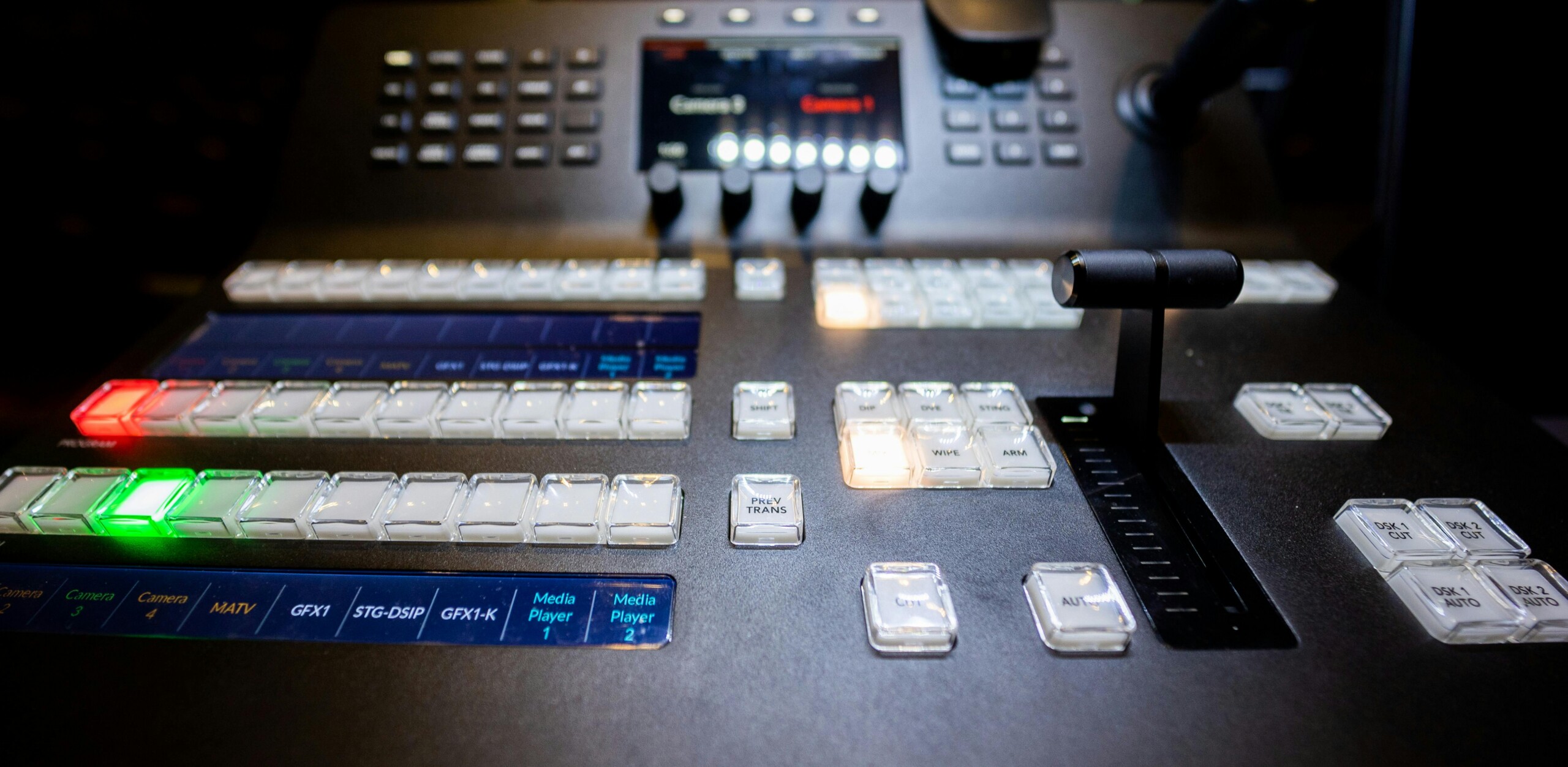
Office digital transformation in Australia refers to the strategic adoption of digital tools, systems, and infrastructure to modernise how businesses operate, communicate, and collaborate. In the modern workplace, audiovisual (AV) technology serves as a critical enabler of this transformation, bridging physical and digital work environments through smarter, more connected systems.
Key Takeaways
- AV technology sits at the centre of successful office digital transformation in Australia, enabling real-time collaboration across hybrid and distributed teams.
- Interactive displays, video conferencing systems, and digital signage modernise how teams communicate and present information.
- Integrating AV with platforms like Microsoft Teams, Zoom, and Crestron enhances workflow efficiency across departments.
- Scalable AV infrastructure reduces long-term costs and supports future technology upgrades without full system overhauls.
- Security and compliance remain critical considerations when deploying AV solutions in enterprise environments.
- Partnering with certified AV specialists ensures installations align with Australian Standards and deliver measurable business outcomes.
Office Digital Transformation Australia: How AV Technology Plays a Role
Australian businesses are accelerating their investment in digital infrastructure at an unprecedented rate. A 2023 Deloitte report found that 74% of Australian executives ranked digital transformation as a top-three business priority. Yet many organisations still overlook audiovisual technology as a foundational pillar of that transformation.
Office digital transformation in Australia is not simply about migrating data to the cloud or deploying new software. It encompasses a complete rethinking of how physical workspaces support digital workflow, and AV technology is where those two worlds converge.
From boardrooms and training facilities to open-plan collaboration zones, the right AV infrastructure determines how effectively people work, communicate, and engage.
Businesses that partner with experienced providers such as Sydney Audio Visual Specialists are better positioned to design and deploy AV solutions that align with their broader digital transformation goals, rather than treating technology purchases as isolated decisions.
The shift is no longer theoretical. Enterprises across Sydney, Melbourne, and Brisbane are actively replacing legacy AV systems with integrated, software-defined systems that seamlessly connect to cloud platforms, unified communications tools, and building management systems.
Leveraging Audio Visual Systems for Modern Workplaces
Modern AV systems do far more than display presentations on a screen. They create intelligent, connected environments that actively support the way teams work today.
Interactive Flat Panel Displays (IFPDs) replace traditional whiteboards and projectors with touch-enabled, cloud-connected screens. These displays allow teams to annotate documents in real time, share content wirelessly from any device, and save session notes directly to shared drives. Panels from manufacturers such as Samsung, LG, and Clevertouch deliver 4K resolution with multi-touch precision, making them suitable for both presentation and collaborative work sessions.
Video Conferencing Systems form the backbone of hybrid work. Enterprise-grade solutions, such as those built on Poly, Logitech Rally, or Cisco Webex hardware, deliver high-definition video at 1080p or 4K, with AI-powered auto-framing, noise cancellation, and acoustic beamforming microphones. These features ensure that remote participants receive the same quality of experience as those in the room, directly improving inclusion and meeting effectiveness.
Digital Signage and Wayfinding Displays contribute to internal communications and brand consistency. Networked display systems allow facilities teams to broadcast live scheduling data, emergency alerts, and company updates across multiple floors or campuses from a single content management platform.
AV-over-IP Infrastructure replaces traditional point-to-point cabling with network-based signal distribution. Protocols such as Dante, AVB, and NDI allow audio and video signals to travel across standard Ethernet infrastructure, dramatically simplifying installation and enabling flexible room configurations.
Integrating Collaboration Tools into Australian Offices
The true value of AV technology in office digital transformation is realised when hardware and software work together as a unified system. Australian enterprises are increasingly deploying AV solutions that integrate natively with collaboration platforms, removing friction from everyday workflows.
Microsoft Teams Rooms and Zoom Rooms represent the dominant room system ecosystems in the Australian market.
These platforms allow meeting room hardware, cameras, microphones, and displays, to operate as certified, managed endpoints within a company’s existing IT environment. IT administrators can monitor room health, push firmware updates, and analyse usage data from a centralised dashboard.
Beyond video conferencing, AV integration extends to:
- Room booking and scheduling panels that sync with Microsoft Exchange or Google Workspace, displaying real-time availability outside meeting rooms and reducing booking conflicts.
- Wireless presentation systems such as Barco ClickShare or Mersive Solstice, which allow any device to share content to the room display without cables or driver installation.
- Cloud-based AV control systems that enable remote management of display power states, source switching, and audio levels, reducing the burden on in-room support staff.
When AV systems connect directly with collaboration tools, employees spend less time troubleshooting technology and more time focused on productive outcomes. Research by Frost & Sullivan found that companies with fully integrated AV and UC environments report up to 30% faster meeting start times and a measurable reduction in technology-related frustration.
Enhancing Employee Productivity Through Digital Office Solutions
Productivity in the modern Australian office is no longer measured purely by individual output. It depends on how quickly teams can access information, make decisions, and communicate across locations. AV technology directly influences each of these dimensions.
Well-designed AV environments reduce cognitive load. When a meeting room’s technology works reliably and intuitively, participants focus on the agenda rather than on troubleshooting cables or hunting for the right input source.
Studies from the International Facility Management Association (IFMA) indicate that technology friction in meeting environments costs organisations an average of 15 minutes per meeting.
Hybrid work has also reshaped productivity expectations. Employees working from home or remote offices need the same quality of access to meetings, presentations, and collaborative sessions as their in-office colleagues. AV systems that deliver consistent, high-quality experiences across all environments, regardless of where participants join, support equity and engagement in hybrid teams.
Training and learning environments benefit significantly from AV upgrades. Digital lecture capture systems, interactive panels, and multi-screen presentation setups allow L&D teams to deliver more engaging content, record sessions for asynchronous review, and track learner participation through integrated analytics platforms.
For Australian enterprises investing in office digital transformation, AV-enabled productivity tools are not a luxury. They are a core component of a competitive, future-ready workplace strategy.
Security and Compliance in Office Digital Transformation
As AV systems become more deeply integrated with enterprise IT networks, security and compliance must be addressed as a priority, not an afterthought.
Modern AV devices, including smart displays, video conferencing endpoints, and AV-over-IP hardware, connect directly to corporate networks and, in many cases, process sensitive audio and video data. Without proper configuration, these devices can represent significant vulnerabilities.
Key security considerations for enterprise AV deployments include:
- Network segmentation: AV devices should operate on dedicated VLANs, separated from core business systems. This limits the blast radius of any compromise and aligns with best practice IT security architecture.
- Encrypted communications: All video conferencing sessions should use end-to-end encryption (E2EE) where supported. Platforms such as Zoom and Microsoft Teams offer E2EE options for enterprise accounts, though IT teams must actively configure and enforce these settings.
- Firmware and patch management: AV endpoints require regular firmware updates to address known vulnerabilities. Centralised device management platforms allow IT teams to monitor and maintain AV hardware at scale.
- Physical access controls: Display panels, control processors, and network switches that form part of the AV infrastructure should be secured in locked equipment racks or server rooms, with access limited to authorised personnel.
- Compliance with the Australian Privacy Principles (APPs): Under the Privacy Act 1988 (Cth), organisations that capture or process personal data — including meeting recordings — must comply with the APPs. AV system configurations should support data minimisation, consent management, and secure storage of recorded content [5].
Cabling infrastructure must also comply with AS/CA S009:2013, which governs the installation of customer cabling in Australian telecommunications environments. Electrical installations associated with AV systems are subject to AS/NZS 3000:2018 (the Australian Wiring Rules), requiring licensed electricians for any mains-connected work.
Planning a Scalable AV Infrastructure for Enterprise Offices
The most effective AV investments are built on a foundation of scalability. Australian enterprises that plan their AV infrastructure with future growth in mind avoid the costly cycle of complete system replacements every three to five years.
A scalable AV infrastructure strategy should address the following:
- Modular system design: Deploy AV solutions in standardised room configurations (small huddle, medium conference, large boardroom) with consistent hardware and software stacks. Standardisation simplifies maintenance, training, and procurement.
- AV-over-IP architecture: Transitioning from matrix-switcher-based systems to AV-over-IP reduces physical infrastructure, supports flexible room layouts, and allows signal distribution to scale alongside the network.
- Control system platforms: Investing in a leading control system platform, such as Crestron, Extron, or AMX, provides a programmable layer that can adapt to new devices, room configurations, and automation requirements without requiring core infrastructure replacement.
- Cloud management and analytics: Enterprise AV management platforms provide real-time visibility into room utilisation, device health, and technology adoption. These insights enable data-driven decisions about where to invest in upgrades or where to adjust room configurations.
- Future-proofing for emerging standards: 8K display standards, HDBaseT 3.0, and next-generation Dante networking are already entering the enterprise market. AV infrastructure designed with open standards and software-defined switching can accommodate these advancements without full hardware refreshes.
Engaging an experienced AV integrator early in the planning process ensures that infrastructure choices align with both current operational needs and a three-to-five-year technology roadmap.
Technical Specifications Overview
| AV System Component | Key Specification | Enterprise Standard |
| Video Conferencing Camera | 4K/30fps, 120° FOV, AI framing | Logitech Rally, Poly Studio |
| Interactive Display | 4K UHD, 20-point multi-touch, 400 nit | Samsung Flip, Clevertouch |
| Audio DSP | 48kHz sample rate, echo cancellation | Biamp Tesira, QSC Core |
| AV-over-IP | 1Gbps Ethernet, sub-1ms latency | Dante, NDI, AVB |
| Control Processor | Dual-core, IP-enabled, RS-232/IR/relay | Crestron CP4, Extron IPCP Pro |
| Cabling Standard | Cat6A/Cat8, fibre backbone | AS/CA S009:2013 compliant |
Professional Installation vs DIY
Enterprise AV systems involve mains-connected electrical components, structural mounting, structured cabling, and network configuration, all of which carry safety, compliance, and performance implications that make professional installation essential.
Under AS/NZS 3000:2018, any work involving mains voltage, including the installation of display power circuits, amplifier racks, or control system power supplies, must be performed by a licensed electrician [6]. Attempting this work without the appropriate licence not only creates safety risks but also voids equipment warranties and may expose the business to liability.
Structural mounting of large-format displays (85” and above) or video walls requires load-bearing assessments and, in many cases, engineering sign-off. Improper mounting creates serious safety risks to occupants and can result in costly rectification work.
Professional AV integrators also bring certified expertise in platform configuration. Microsoft Teams Rooms, Crestron, and Zoom Rooms deployments require vendor-specific certification to ensure optimal performance and support eligibility.
Attempting to self-configure these systems without certification often results in degraded performance and limited access to vendor support.
Integration and Control Tips
- Standardise room control interfaces across all meeting spaces using a consistent control system platform such as Crestron or Extron. This reduces training overhead and enables centralised remote management.
- Connect AV scheduling panels to Microsoft Exchange or Google Workspace via native integration — avoid third-party middleware where possible, as it introduces additional points of failure.
- Enable analytics dashboards through platforms such as Crestron XiO Cloud or Logitech Sync to monitor room utilisation and proactively identify underperforming spaces.
- Segment AV devices on dedicated VLANs and work with your IT team to apply appropriate quality of service (Quality of Service) policies that prioritise audio and video traffic on the network.
- Document system configurations thoroughly, including IP addressing schemes, control system programming logic, and firmware versions. This documentation is critical for efficient troubleshooting and future upgrades.
Frequently Asked Questions
What is office digital transformation in Australia?
Office digital transformation in Australia refers to the structured adoption of digital technologies, including cloud platforms, AV systems, and smart workplace tools, to modernise how businesses operate and collaborate. It encompasses both the technology infrastructure and the cultural shift required to make effective use of that infrastructure.
How do AV systems improve workplace collaboration?
AV systems improve workplace collaboration by removing the technical barriers that slow down communication between teams. High-definition video conferencing, interactive displays, and wireless presentation tools allow employees to share ideas, review documents, and make decisions in real time, regardless of whether participants are in the office or working remotely.
Which AV technologies are essential for hybrid offices?
Hybrid offices require AV technologies that deliver consistent quality for both in-room and remote participants. Essential systems include enterprise-grade video conferencing cameras with AI auto-framing, DSP-enabled microphone and speaker systems, interactive flat panel displays, and room scheduling panels.
How can Australian enterprises plan scalable AV infrastructure?
Australian enterprises should begin with a standardised room configuration strategy that adopts consistent hardware and software stacks across room categories. Investing in AV-over-IP distribution, a programmable control system platform, and cloud-based device management creates a foundation that scales with business growth.
What are the security considerations in office digital transformation?
Security considerations in office digital transformation include network segmentation of AV devices, end-to-end encryption for video conferencing sessions, regular firmware and patch management, physical access controls for AV hardware, and compliance with the Australian Privacy Principles under the Privacy Act 1988. AV cabling and electrical installations must also meet AS/CA S009:2013 and AS/NZS 3000:2018, respectively.
Does AV infrastructure need to meet Australian Standards?
Yes. AV infrastructure deployments in Australia must comply with various standards, depending on the installation’s scope. AS/NZS 3000:2018 governs all mains electrical work associated with AV systems and requires licensed electricians for installation. AS/CA S009:2013 governs customer cabling for telecommunications, including structured cabling used in AV-over-IP and network-based AV systems.
What is the ROI of investing in enterprise AV technology?
The return on investment from enterprise AV technology comes from multiple sources: reduced travel costs through effective video conferencing, faster meeting start times through integrated room systems, improved employee engagement and retention through better workplace experience, and operational savings through centralised remote management.
How long does an enterprise AV installation take?
The timeline for an enterprise AV installation varies depending on the project’s scope and complexity. A single meeting room retrofit typically takes one to two days, while a full multi-floor fitout with custom control programming, AV-over-IP infrastructure, and video wall installations can take four to twelve weeks. A detailed project plan developed during the design phase allows stakeholders to plan for any necessary downtime or staged rollouts.
AV Technology Drives the Future of Australian Workplaces
Office digital transformation in Australia is a business imperative, not a trend. Organisations that invest strategically in AV infrastructure today are building the foundation for a more productive, collaborative, and competitive workplace tomorrow.
From interactive displays and enterprise video conferencing to scalable AV-over-IP networks and intelligent control systems, AV technology bridges the gap between physical office environments and the digital tools that modern teams depend on. When these systems are designed, installed, and integrated by certified professionals, they deliver measurable improvements in collaboration quality, employee experience, and operational efficiency.
The businesses that succeed in this transformation are the ones that treat AV infrastructure as a strategic asset, one that evolves alongside their workforce, their technology stack, and their growth ambitions.
Ready to Modernise Your Workplace?
Request a Boardroom AV Consultation. Speak with a certified AV specialist about designing a system that supports your organisation’s digital transformation goals.
Explore Our AV Solutions. Browse our full range of enterprise AV systems, from video conferencing and interactive displays to full AV-over-IP infrastructure.
About Sydney Audio Visual Specialists
Sydney Audio Visual Specialists is a leading provider of commercial AV design, supply, and installation services across Australia. With deep expertise in enterprise AV integration, boardroom technology, and hybrid workplace solutions, the team delivers systems that meet Australian Standards and align with the strategic goals of modern organisations.
Qualified technicians with vendor certifications install all systems across leading AV and UC platforms.